By Caitlin Wiley, Board Member and Content Contributor; Editor: Jennifer Fleck, Board Chair
In the immortal words of Tess Coleman from the classic 2003 movie Freaky Friday – “And cleaning: let’s don’t and say we did!”
Alright, so maybe that strategy won’t work long-term for those of us with homes to maintain, but cleaning can feel so wasteful. There are so many paper towels, harsh chemicals, and products like toilet scrubbers that you use once and throw away. Knowing how to reduce the waste AND keep your home clean can feel very confusing. We’re here to help make this process easier for you and better for the planet!
This month, we’re focusing on sustainable cleaning tips to keep your kitchen and bathrooms squeaky clean, and covering some ways to reduce your environmental footprint when doing the laundry. We’ll also throw in some bonus health and beauty product favs that we can’t get enough of! Consider swapping some of your usual cleaning products for greener alternatives where it makes sense, and check out some of our recommended products to see what works best for you!
4 Things to Consider When Choosing Products
In general when choosing cleaning products, here are some helpful guiding questions to consider:
1 – What is the right product for the job? Are you doing general cleaning that might only require some lemon and vinegar spray, or do you need disinfecting products with bleach to really ensure a surface is clean? While it’s a good idea to reduce the use of harsh chemicals when possible, strong cleaning products with bleach have an important role to play especially when cleaning up after preparing meat in the kitchen or cleaning surfaces where bacteria are likely to grow. Where you only need a cursory disinfection or a light clean and want to avoid harsher products, try diluting vinegar in water for an easy, cheap alternative. For disinfecting, hydrogen peroxide and rubbing alcohol are great – just be sure not to use them on sensitive surfaces like wood as they may be too harsh. To make certain rooms smell better, essential oils are a great alternative to fragrance sprays.
2 – Does the product you need come in a more environmentally friendly package? Plastic packaging is a huge problem, and the overwhelming majority of plastic packaging never gets recycled. NPR covered the details of a report published by Greenpeace USA a few years ago revealing the ugly truth about the plastic pollution problem.
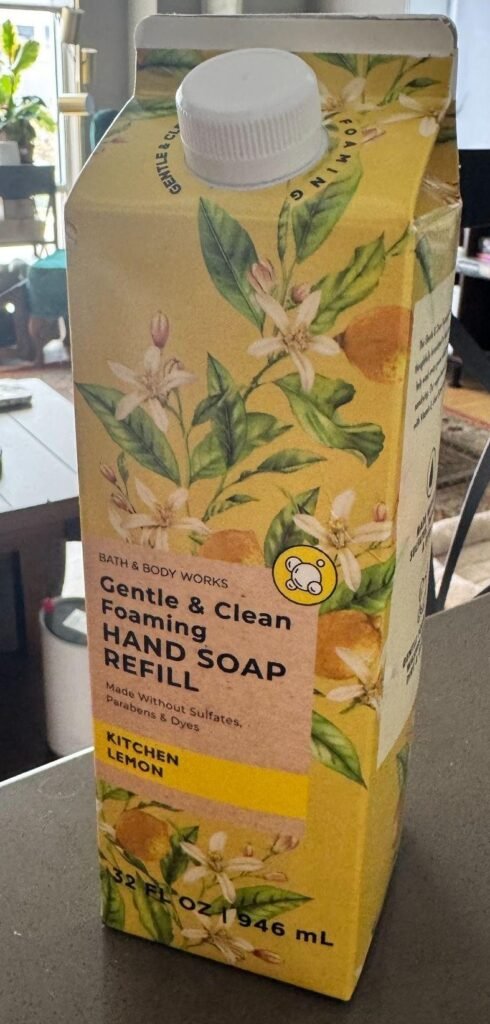
So what’s the solution? Unfortunately most of the alternatives marketed as recyclable “cardboard carton” boxes (like the soap refill pictured) are actually composed of multiple layers including some paper and plastic components, called multilayer packaging. These containers are recyclable, so there’s no false advertising there, but they are more expensive to recycle than a lot of plastic packaging, meaning they usually end up in landfills. There are communities that accept clean cardboard carton containers, but not all do. Check out the Carton Council to see if your community can recycle the containers.
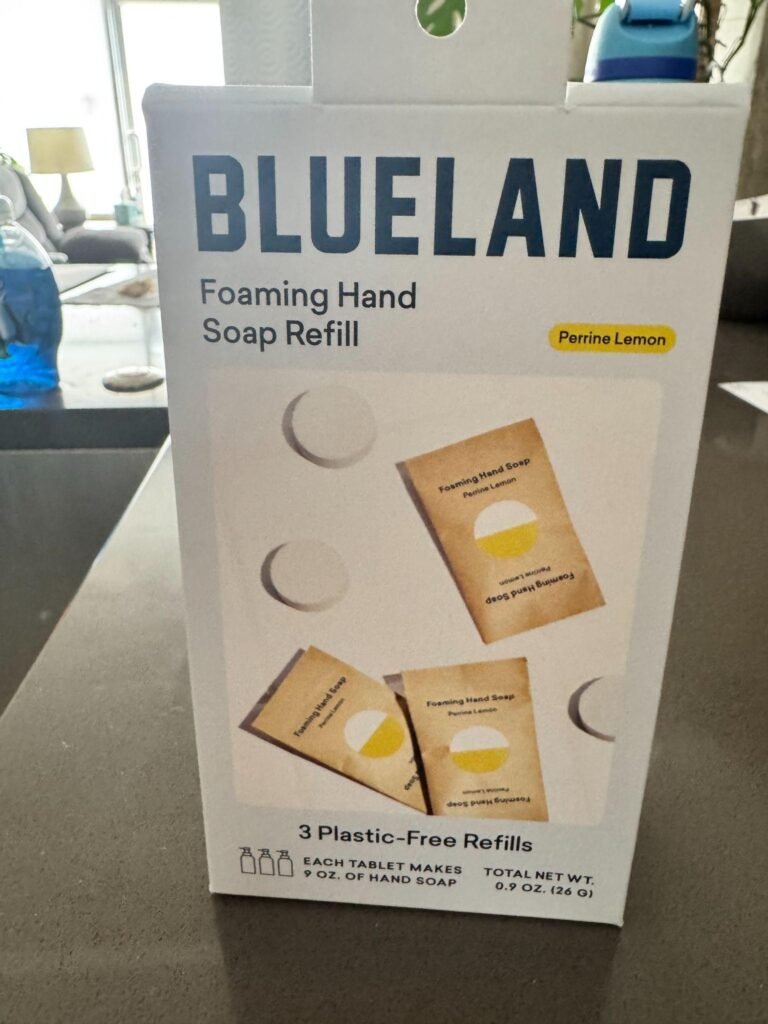
The best alternative is fully compostable packaging like Blueland soap refill tablets (pictured on the right). Look for cleaning products packaged in compostable packaging or sold in aluminum or glass, which are also 100% recyclable and usually more cost-effective to recycle.
3 – Are there cleaning products sold at your local container-free or zero waste grocery store? Container-free stores and zero waste grocery stores are the ultimate hack for those seeking to dramatically reduce their plastic waste and their environmental footprint generally. Depending on the operations of the specific store location, they may sell products to customers in glass jars that can be returned to the store or refilled by the customer. They will almost certainly have large containers of soap, shampoo, conditioner, and vinegar that you can use to refill your empty containers. Many of these are located in urban areas, but they are expanding quickly! In Colorado, one of the best container-free stores is Nude Foods Market, and in the metro-Detroit area, there are several excellent options listed in this article by Click on Detroit.
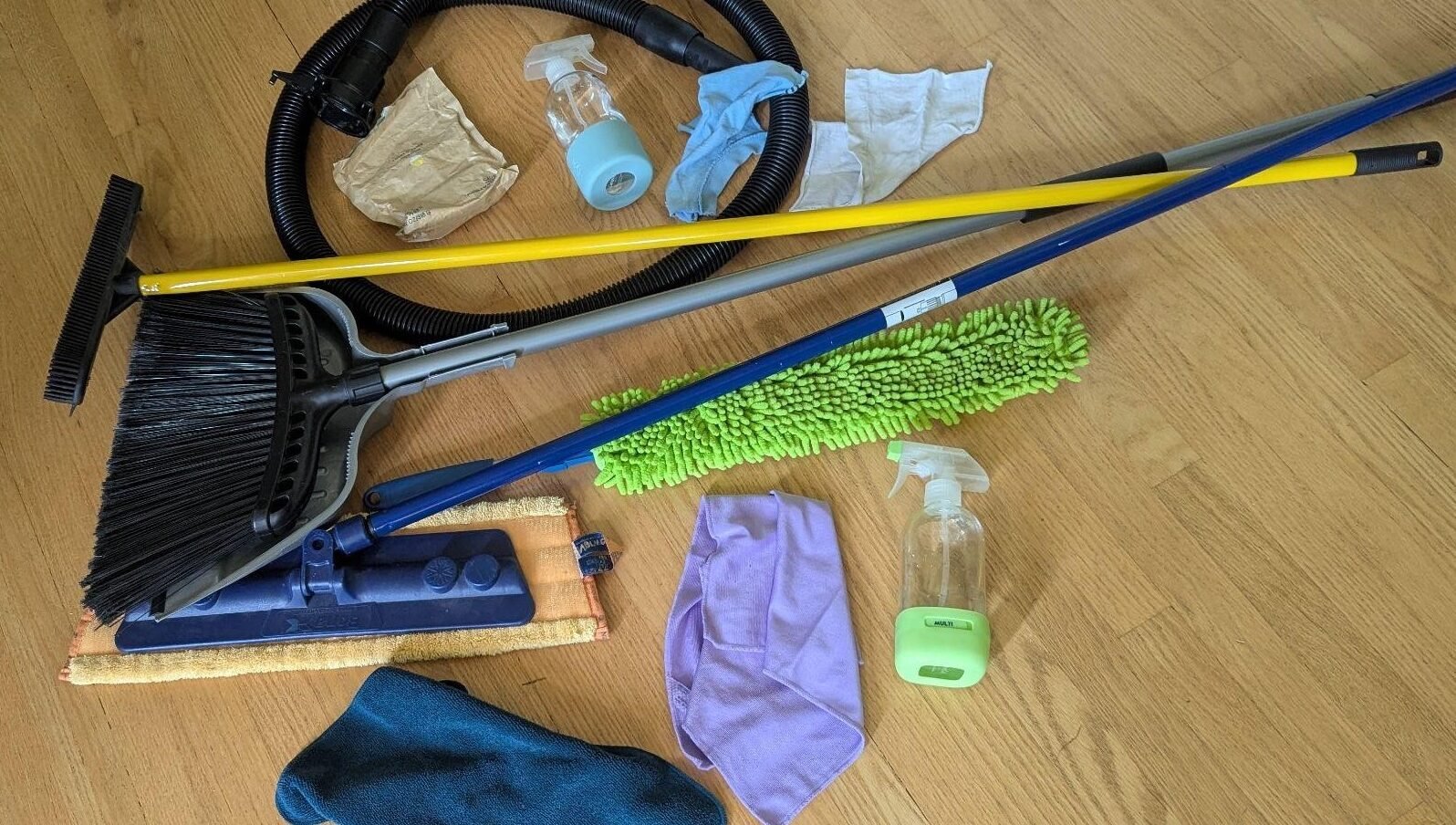
4 – Do you really need to use something disposable for a cleaning task, or if there is a better, more durable option? Wait!! Before you reach for that paper towel to clean up that mess or buy another dish scrubber that gets thrown out after a week, there is probably an option that’s better for the planet.
Old wash cloths OR Reusable paper towels made from bamboo or cotton are a great washable alternative to throwing paper away each time you need to clean up a mess.
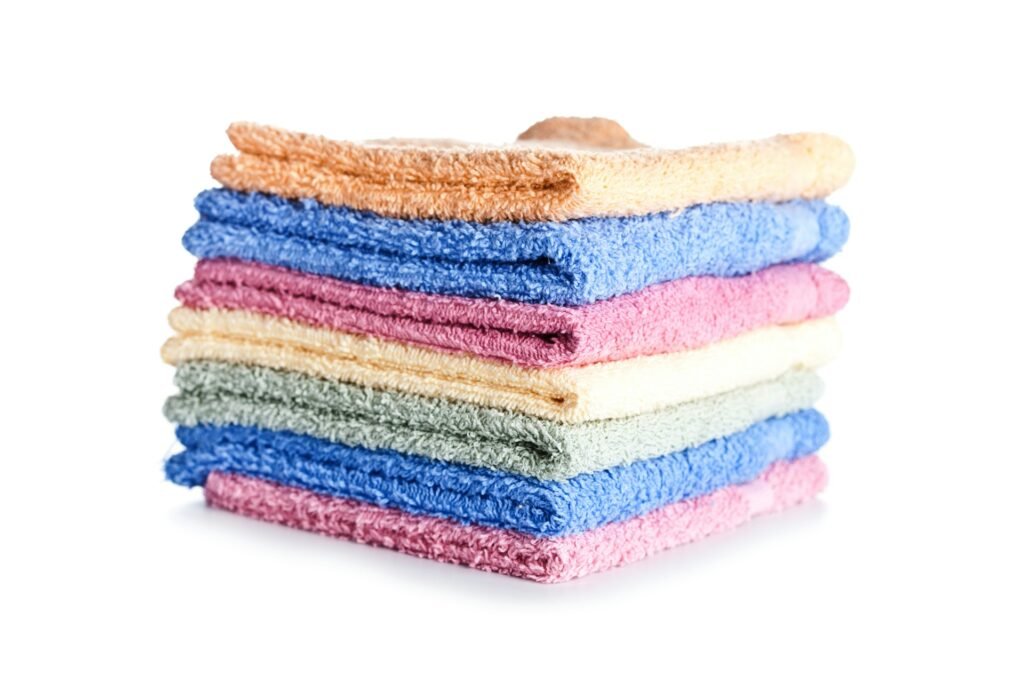
Observe the cleaning routines that you follow regularly and think about how you could reduce the number of items you throw away.
Sustainable Swaps We Love
Open to trying something new? Check out these sustainable options we love for your kitchen, bathroom, and laundry areas, plus some beauty and health products we use all the time!
Kitchen
1 – Blueland Dishwasher Detergent Tablets– With 100% compostable packaging and compact, easy-to-use tablets, Blueland’s dishwasher detergent tablets are a great alternative to liquid dishwater detergent that comes in a plastic container. They have options to sign up for a subscription, or place a one-time order to try it out. Several Blueland products, including this one, are also available at Target.
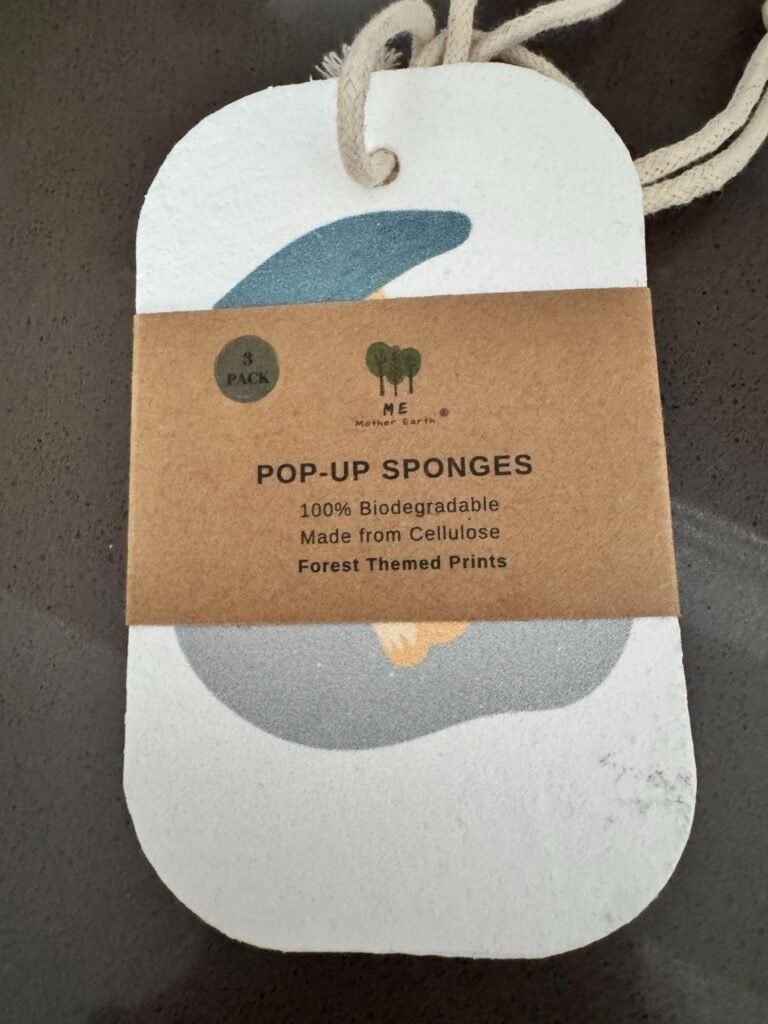
2 – Cellulose Dish Sponges – These are a favorite in my household! Usually sold in multipacks, these sponges pop up when soaked in water for the first time, and do an excellent job of scrubbing away messes on dishes. When they’re worn out, they’re fully compostable! Toss them in your composting pile and they’ll be broken down in no time.
3 – Washable Mop Alternatives – Rather than using a disposable mop pad made from synthetic fibers, try a reusable microfiber one!
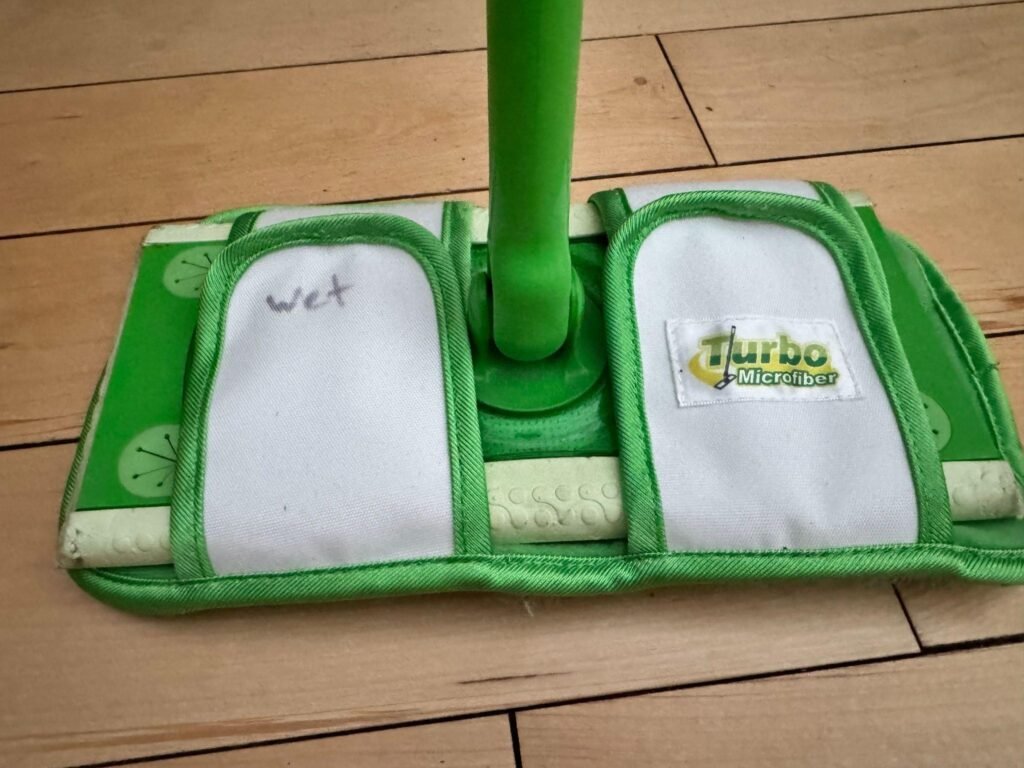
I’ve had my microfiber mop cloth for years and it does a great job picking up dust and grime off my floors. I’d recommend getting one for dry floors and one for wet floors, but one should do the trick for everything.
4 – Reusable “unpaper” Towels – Instead of literally throwing away money on paper towels every month, try reusable cotton or microfiber “unpaper” towels! These paper towel replacements are often sold in rolls that will fit right on your paper towel dispenser, and can be wrapped up again and reused after washing. If you still want to have some paper towels on hand for bad messes, consider switching to a more sustainable option like Reel paper towels, which are made from fast-growing bamboo and are also available at Target.
Bathroom
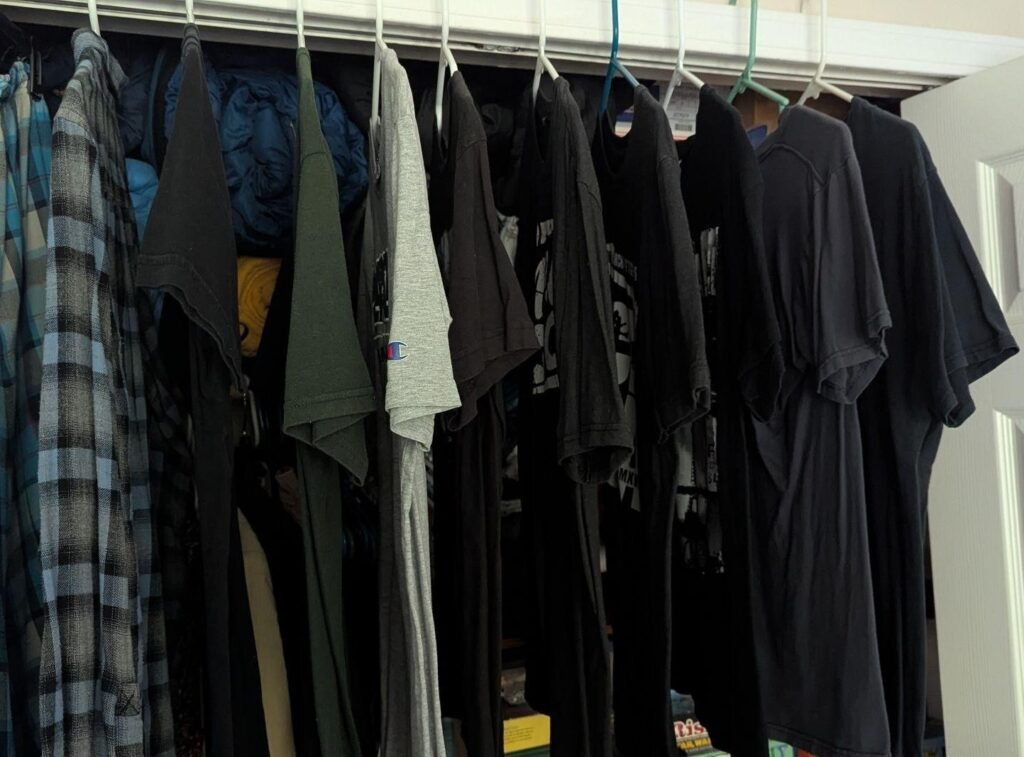
1 – Old T-shirts – That raggedy old T-shirt with holes in it that you still have in your closet? Do yourself a favor and take some scissors to it! Cut it up to make cleaning rags that you can use around the house. Most cotton and cotton blend T-shirt fabric holds moisture well, and this is a great way to give new life to something you already have.
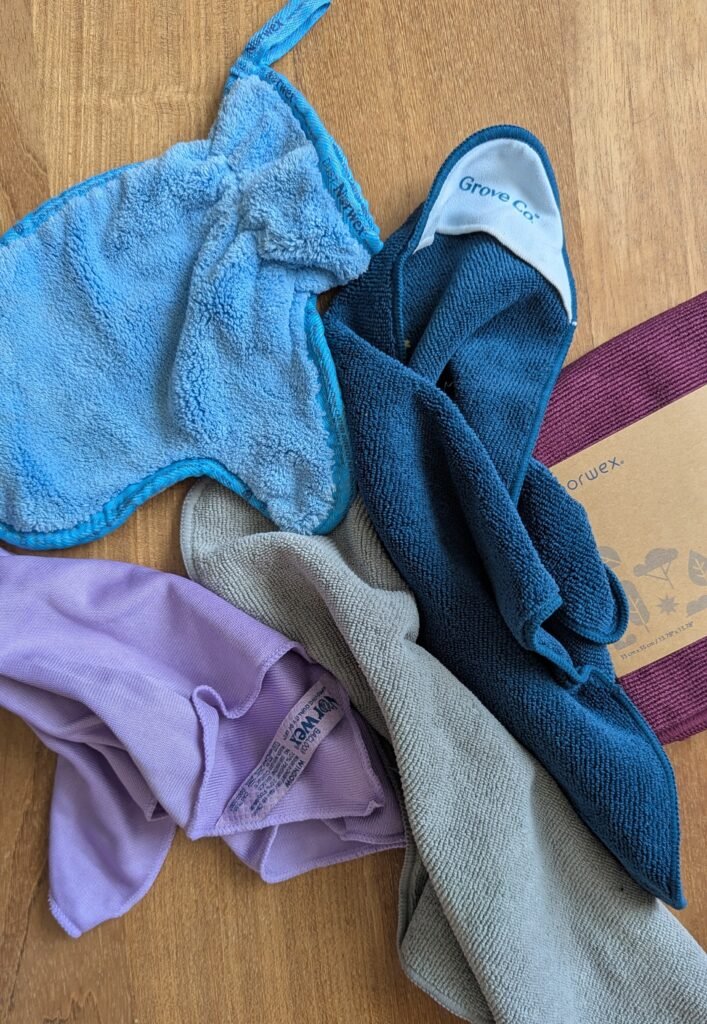
2 – Microfiber Cleaning Cloths – Microfiber cleaning clothes are super effective at trapping dirt, dust, and grime, especially when it’s stuck in hard to access places. Switching to microfiber cleaning cloths as opposed to cotton or even paper towels can make your cleaning products go farther, allowing you to use less and save money. Just be sure to research washing machine filters to eliminate the microplastics these can shred when you wash them – more about that in the section on laundry!
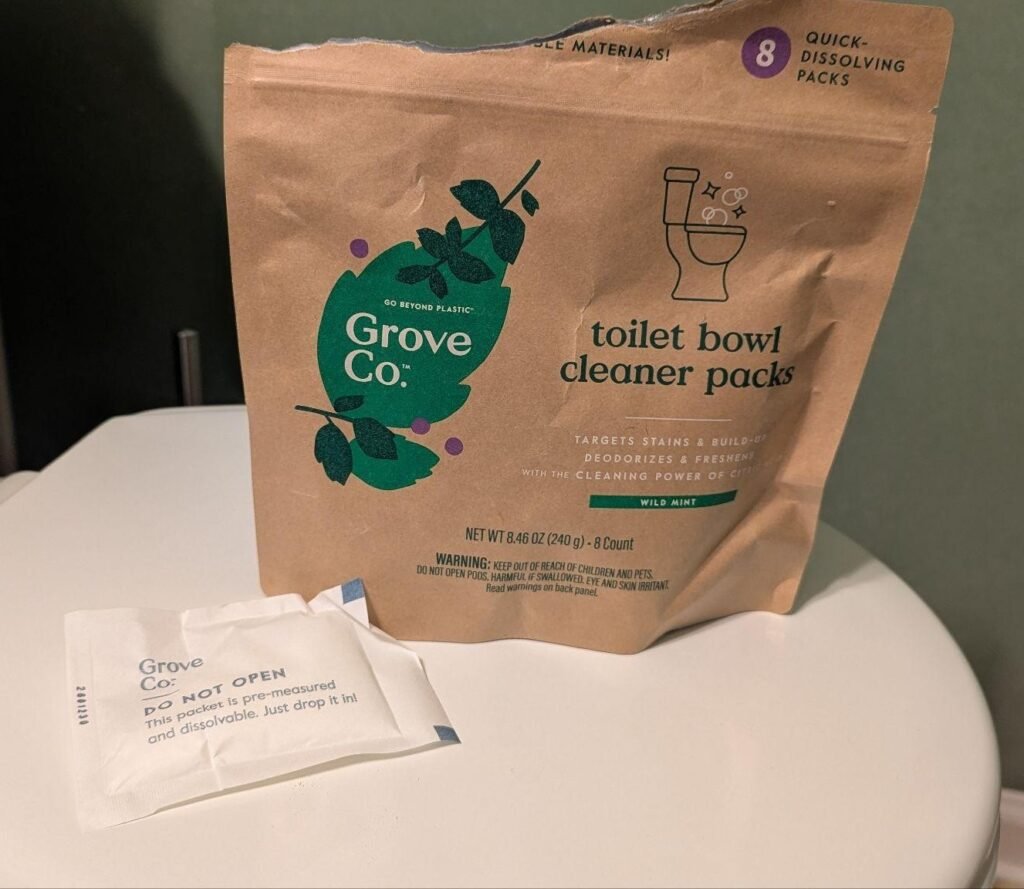
3 – Grove Toilet Bowl Cleaner Packs – Cut out the plastic bottle completely and get Grove’s toilet bowl cleaner packs with fully compostable packaging! The pre-measured doses eliminate the need to get the right scoop size of powder, and it will get your toilet squeaky clean in no time with no mess. (Blueland has a great option too.)
Laundry
1 – Laundry Detergent Powder or Tablets – Most liquid laundry detergents come in plastic containers that are hard to refill and are 90% water. Reduce your impact by seeking out laundry powders or tablets that take up less space in your laundry room. You can get refills from most major companies like Grove and Blueland, or get more at your local zero waste grocery store! One favorite product that inspired the founding of Wading In For Sustainability is Meliora Laundry Powder.
2 – Wool Dryer Balls – Single-use dryer sheets are often made from a mix of synthetic and natural fibers, meaning that they are most often not biodegradable.
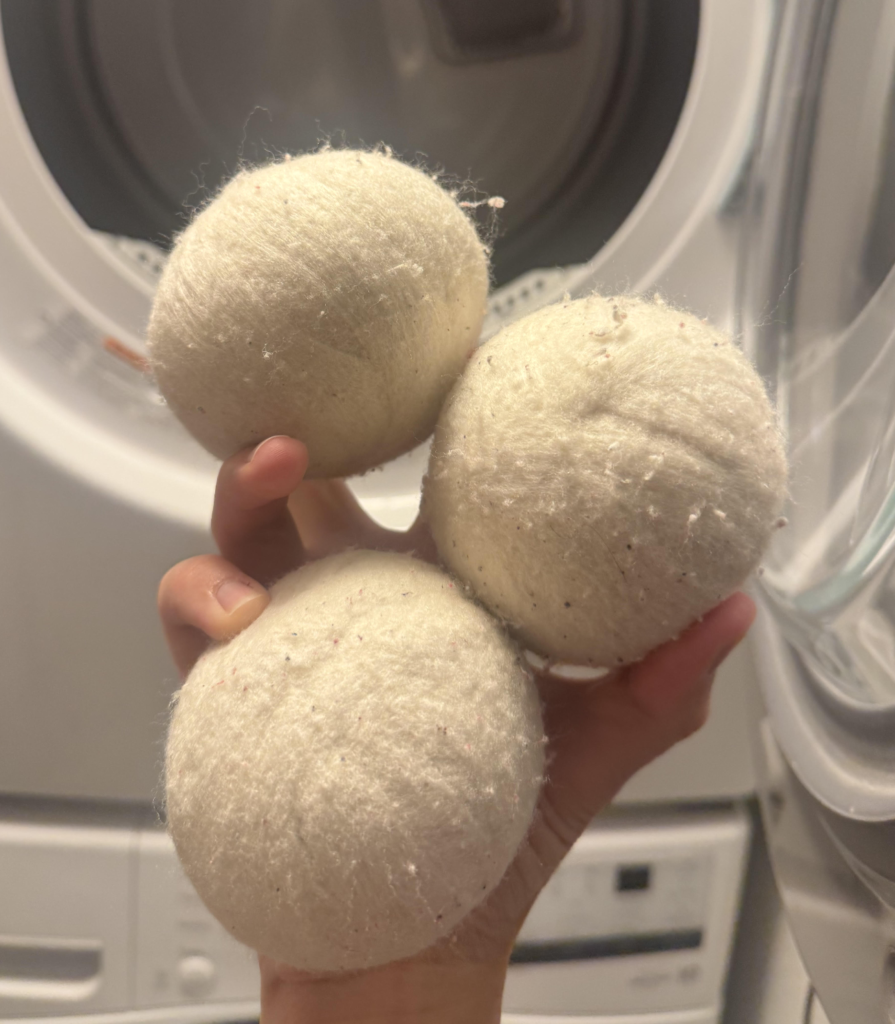
A cheap, easy alternative that still speeds up the drying process and reduces static on your clothes are wool dryer balls! They last for years (I’ve had mine for almost four years now, and have heard of them lasting much longer) and are extremely efficient at moving clothing around in the dryer. Putting a few drops of essential oils on them adds fragrance to your clothes if desired.
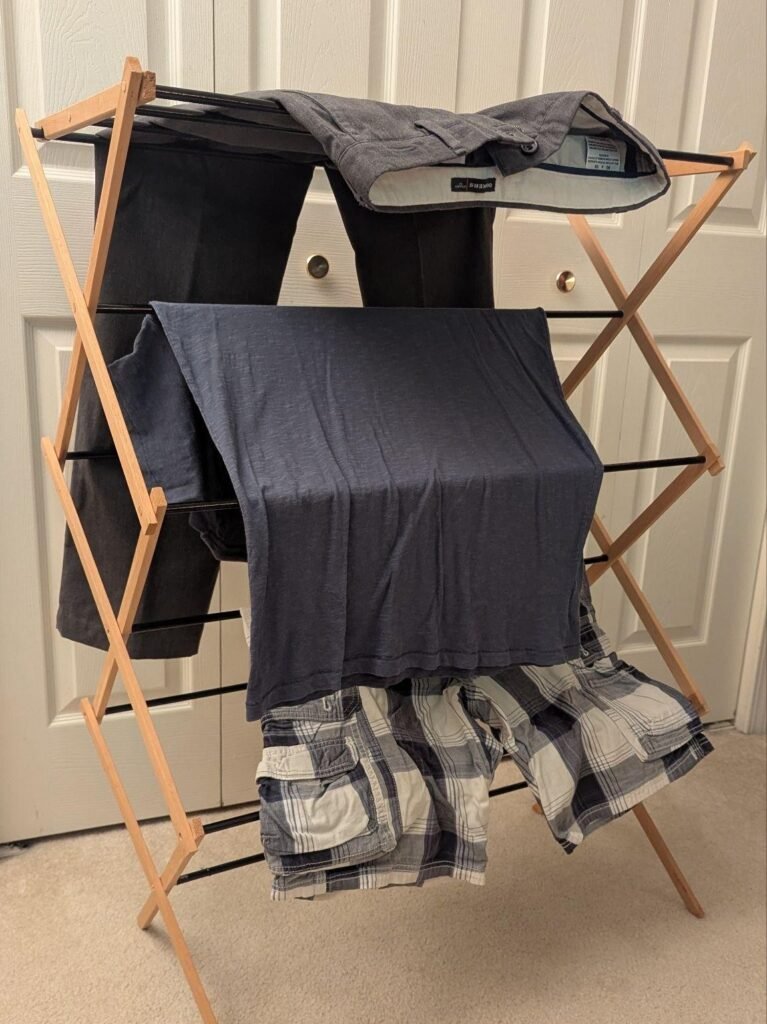
3 – Clothes Drying Rack – An old classic that you might not think of as being sustainable is a drying rack which allows you to air dry clothes. This saves money on electricity by using your dryer less and keeps your house cooler in the summer. Machine washers and dryers are hard on even the toughest modern fabrics. So, air drying when you have the time is also a great way to extend the life of your clothes!
4 – Microplastic Filter – Did you know that every time you wash clothing made from synthetic fibers like nylon or polyester that your clothes shed microplastics? Yep, you read that right – many modern clothes, especially athletic clothes made from Dri-fit material, are actually made with plastic. There are several types of washing machine filters that can reduce the amount of microplastics your clothes shed into the environment. For a full breakdown of why installing one of these filters is important and what you need to know about buying one, check out this in-depth review by Home to Sight.
Sustainable DIY: Grow Your Own Sponges!
You can grow your own fully compostable kitchen and bath loofah sponges! The loofah sponge plant is a vining plant that has a fibrous, woody internal structure perfect for household (& personal) scrubbing applications. If you have some garden space, a trellis, and are looking for your next home project, growing these sponges is a great option.
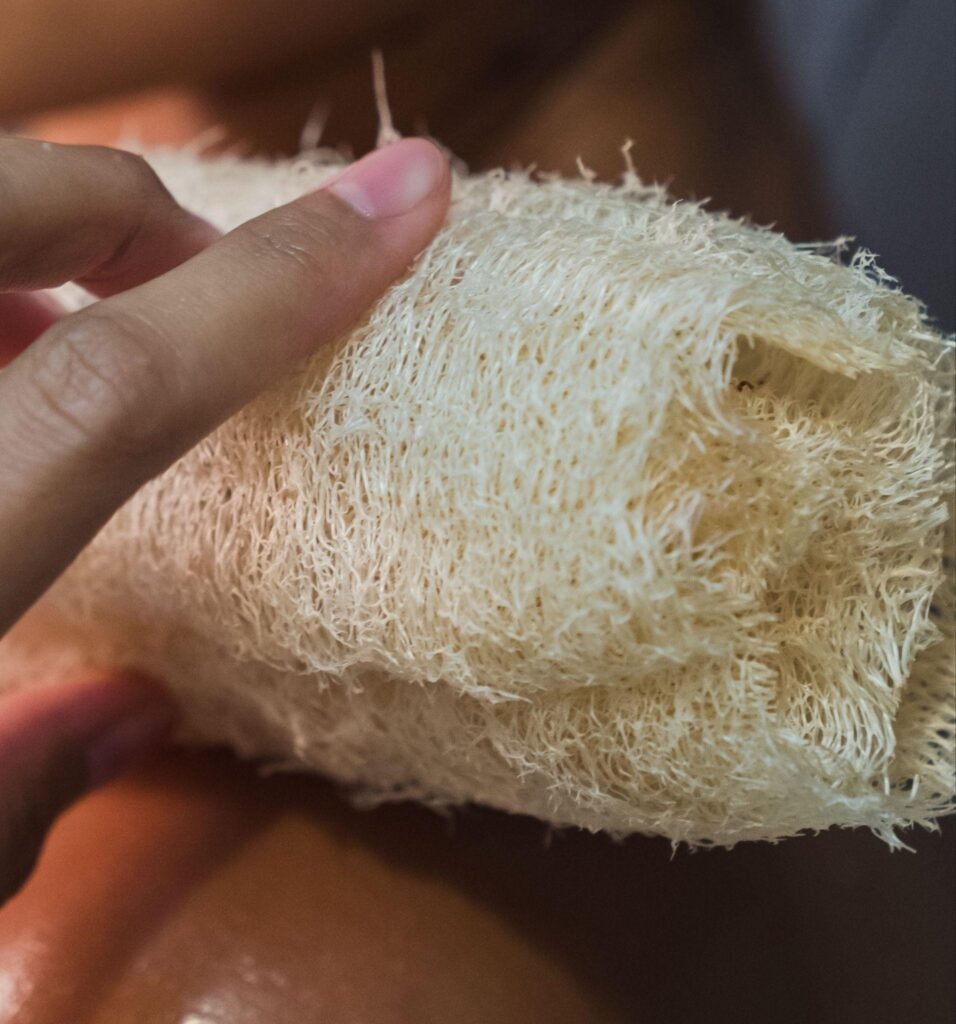
They require 5-6 months to grow, and will grow well in most parts of the United States. Check out this list of seed varieties from Simply Greenhouse and select the one that works best for you, and bookmark this guide from LoofahGrow.com for handy tips during the growing season!
Actions to Take in Your Life
At Wading In, we’re all about meeting you where you are and providing actionable solutions that fit into your life. This newsletter is loaded with ideas for learning and doing small things that will help. Amplifying your individual actions, choose changes that work for you, and start today!
🌱 Earth Friend – Easy adjustments that require minor changes.
- Start with 2 changes from this newsletter that you can incorporate into your daily routine.
- Share this newsletter with a friend or 2!
🌿 Green Defender – More intensive swaps and adjustments that require greater effort.
- Start with 4 changes from this newsletter that you can incorporate into your daily routine.
- Contact 1-2 of your favorite companies and tell them you want environmentally friendly packaging for your products.
🌍 Environmental Warrior – Lifestyle changes which will have a bigger impact.
- Start with 6 changes from this newsletter that you can incorporate into your daily routine & check out our “Additional Resources”.
- Consider joining us at Wading In For Sustainability as a donor, board member or content contributor!
Additional Resources
Looking for other cleaning alternatives? Check out these resources for more suggested products and reviews.
- The Reduce Report. Reviews on dozens of eco-friendly products to help cut out waste, with transparent reporting on ingredients and packaging.
- The Environmental Working Group. A non-profit, educational group that independently reviews cleaning products and home goods and scores them based on whether they contain hazardous substances, the list of ingredients, and overall toxicity.
- The Environmental Working Group’s tip sheet on buying sustainable cleaning products. A helpful quick-reference guide for when to use plain soap and water or less harsh cleaning solutions, and what to look for on manufacturer’s labels.
Individuals have power and can make a difference to positively change the world. Every day presents new opportunities to learn and grow. Not everything is within our control – but we can control our own actions and can inspire others to make positive change.
Wishing you a wonderful 2026!
Until next time,
Small Steps for Positive Change
Resources:
- https://www.npr.org/2022/10/24/1131131088/recycling-plastic-is-practically-impossible-and-the-problem-is-getting-worse
- https://www.sciencedirect.com/science/article/abs/pii/S0959652624008503
- https://recyclecartons.com/carton-recycling-locator/
- https://nudefoodsmarket.com/
- https://www.clickondetroit.com/news/local/2022/07/11/where-to-find-zero-waste-grocery-stores-in-metro-detroit-and-why-to-use-them/
- https://zerowastestore.com/blogs/
- https://www.blueland.com/products/dishwasher-starter-set?Scent=Fragrance-Free&Refill+Quantity=60+Tablets
- https://www.reelpaper.com/
- https://www.grove.co/products/toilet-bowl-cleaner-pods-wild-mint
- https://www.grove.co
- https://www.blueland.com/
- https://meliorameansbetter.com/products/laundry-powder-detergent?variant=22964725510
- https://hometosight.com/best-microplastic-filter-for-washing-machine/
- https://simplygreenhouse.com/gear-guides/best-loofah-seeds/
- http://LoofahGrow.com