
By Caitlin Wiley, Board Member; Editor: Jennifer Fleck, Board Chair
PDF of: October 2025: Reduce, Reuse, Recycle!
WADING IN FOR SUSTAINABILITY Newsletter #1
Wading In For Sustainability is a new 501(c)(3) non-profit dedicated to empowering and motivating people to make gradual, meaningful changes that collectively drive positive environmental impact. Our goal is to learn, grow, and inspire others along the way and to share resources through our website, social media and soon an app.
Thank you for reading the first edition of the Wading In For Sustainability newsletter! In each edition of this monthly newsletter, we will dive deep on a chosen sustainability topic and provide actionable items for readers to make a difference. Determine how much time and effort you can devote to making a sustainable change, and observe how the small steps accumulate over time.
In this issue:
Reduce, Reuse, Recycle 101 – Back to basics – what does this phrase mean, and why is it still important?
Actionable ways to make a difference – Sustainable suggestions for all income levels and whatever time commitment works for you!
Environmental Justice – Check out an overview of environmental justice, plus what reduce, reuse, recycle means with an environmental justice lens.
All resources referenced in this newsletter are linked in the text for easy access and are listed in the References section at the end of this newsletter.
Our planet is facing complex environmental problems that are too big for any one person to solve. You have the power to be part of the solution! When each of us takes small steps to help, it adds up to big change. Not sure where or how to start? Join our community, and we’ll be Wading In For Sustainability, together.
Have an idea for a newsletter topic? Submit it at https://wadingin.org/contact.
Reduce, Reuse, Recycle 101
What does “reduce, reuse, recycle” mean?
The catchy alliterative slogan “reduce, reuse, recycle” is one many of us have heard many times.
But what does it mean? And what are some practical ways to implement this slogan in your life? That is the focus of our first newsletter.
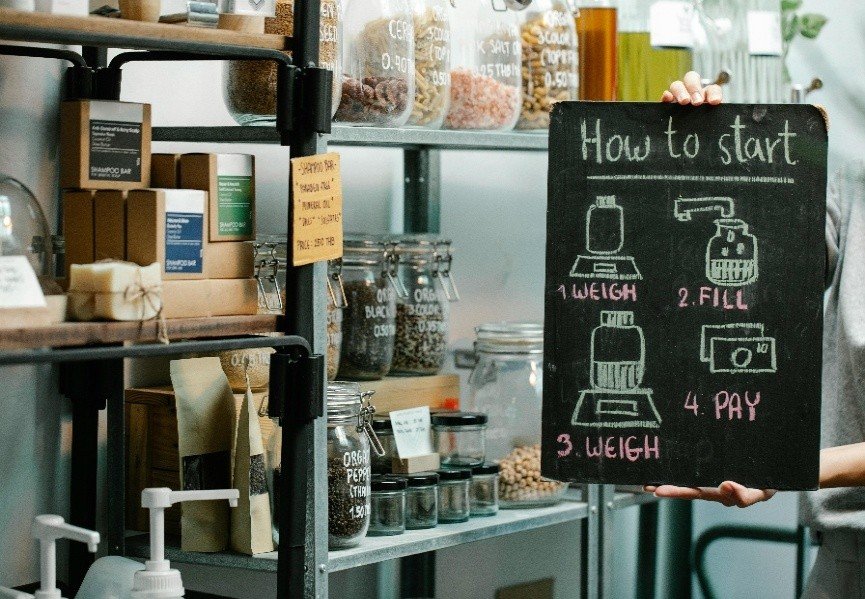
Reduce, reuse, recycle is intended to prompt consumers to consider the environmental impact of their purchasing decisions. Rather than buying something brand new, it encourages them to first reduce their consumption, when possible. After buying something, they should then try to reuse that item as many times as possible, rather than discarding it. Finally, when the item has worn out or is no longer needed, it should be recycled, giving the item new life and avoiding waste
Why is reduce, reuse, recycle still important?
Unsustainable consumption, including heavy consumption of meat and dairy products, food waste due to overbuying, and the greenhouse gas emissions generated during shipping are key contributors to climate change. Fast fashion, which consists of cheaply-made textiles designed to be worn a few times and discarded, comes with a host of environmental issues. Fast fashion garments made with plastic fibers introduce microplastics into the environment every time we put them in the wash. Even the packaging around the goods we buy contributes to water pollution and greenhouse gas emissions when it ends up in landfills, rather than being recycled or bio-degrading.
Be for real – does recycling make a difference for the environment?
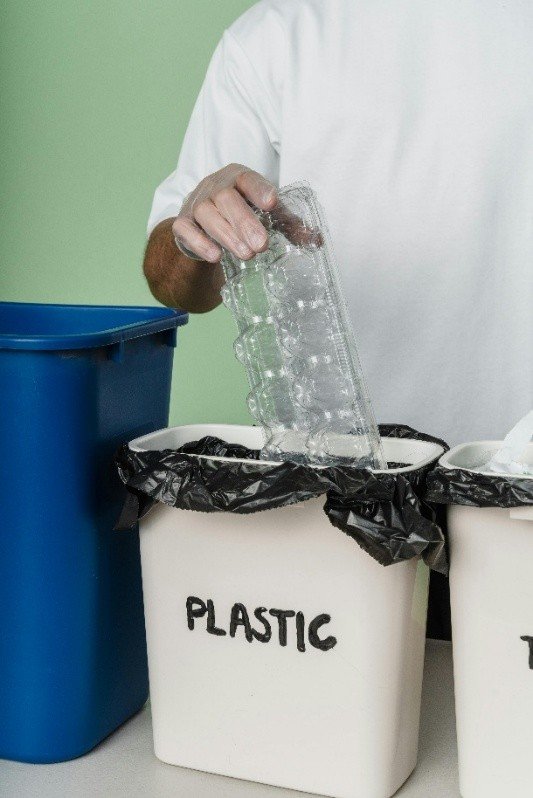
At Wading In, we commit to providing practical, actionable solutions for consumers who want to decrease their environmental impact. As part of that, we will always be honest about the impact of the solutions we recommend, and we will acknowledge the environmental justice implications of every issue.
For a primer on the basics of environmental justice, keep an eye out for additional resources on the Wading In website, and read more about the environmental justice implications of reduce, reuse, recycle at the end of this newsletter.
The truth about recycling in the United States is that not everything that is recyclable gets recycled.
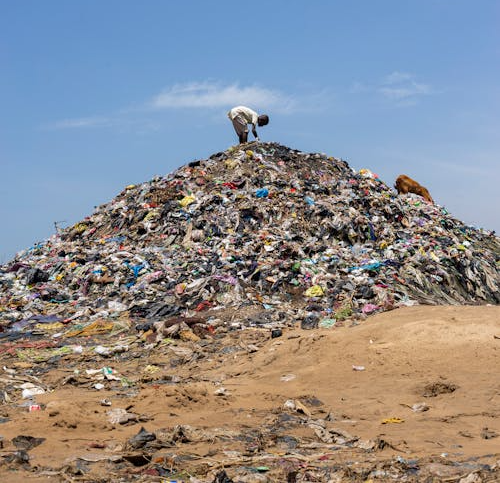
According to data collected by the US Environmental Protection Agency, only about 9%[i] of all plastics produced in the US annually are recycled. The dirty truth is that a lot of that material is shipped overseas where it ends up in landfills.[ii]
The recycling picture for paper, metal, and glass is much better, and the majority of recycled material in the US comes from paper products.[i] Metals like copper and aluminum are both valuable and recyclable, and many municipalities have effective programs for collecting glass and metal.
To put it another way, recycling can make a significant difference in terms of diverting materials that can be reused from landfills, but not everything that is recyclable gets recycled. This is especially true of plastic products, which makes reducing and reusing even more important.
How can you make a difference?
Although the scale of the problem is big, and recycling isn’t a magic solution to the problem, you can make a difference. Follow these three steps as a starting point:
- Before buying something, ask yourself: Do I need to buy this product NEW? If the answer is yes, buy it. If the answer is no, consider whether you can do without it or obtain a used one.
- Before throwing something away, ask yourself: Could I reuse this for another purpose, or is there someone I can give it to who needs it? See our sustainable suggestions for ideas on how to reuse items.
- If the item has served its purpose and is nearing the end of its lifespan, ask yourself: How can I responsibly dispose of this? Will your municipality accept it? If it’s food waste, could you compost it?
What is considered hazardous waste & need special disposal?
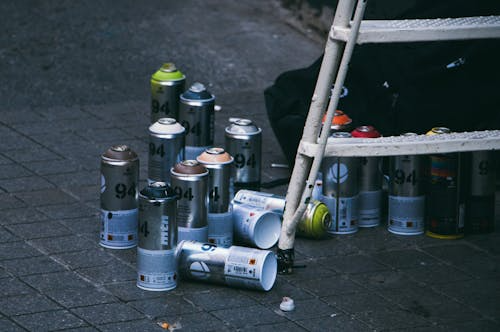
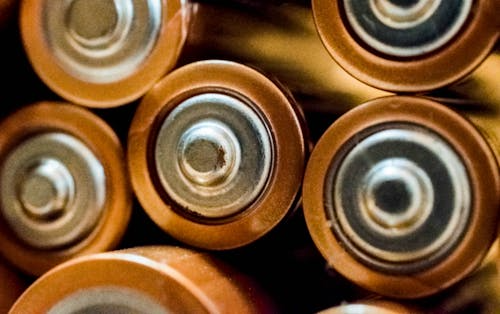
Batteries, printer ink cartridges, and metal spray paint cans, as well as other aerosol cans, are fully recyclable. Empty the cartridges or cans fully before recycling them and check your municipality’s rules for hazardous waste recycling.
Paint and household chemicals, including oils and bleach, are not recyclable, but they should be disposed of properly. Check your municipality’s rules on dropping off non-recyclable hazardous waste.

Actions to Take in Your Life
At Wading In, we’re all about meeting you where you are and providing actionable solutions that fit into your life. Check out our recommendations below for amplifying your individual actions; choose the ones that work for you and start today!
🌱Earth Friend – Easy adjustments that require minor changes.
Reduce
- Don’t buy plastic water bottles. Instead, carry your own reusable one.
- Skip the plastic bags at the grocery store. Opt to bring re-usable bags, including mesh produce bags, or ask for paper if available.
- Don’t consume mindlessly. When you want to buy a new item, pause – is it something you really need, or just something you want?
- Delete pre-saved credit card info from online stores. It’s easier to impulse buy when you can place orders online with the click of a button.
Reuse
- Turn worn-out clothes into cleaning rags to use around the home.
- Donate clothes and textiles in good condition to local charities. Only donate items in GOOD condition – if they have any holes or defects, it will likely get thrown.
- Save boxes and mailers to reuse for future shipping.
- Save empty jars and containers to fill with other items. Old butter tubs and pasta sauce jars are great for storing leftovers!
Recycle
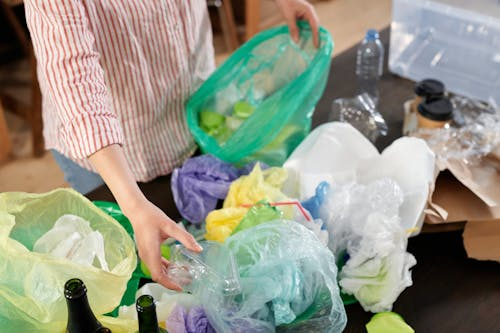
- If you don’t recycle, it’s time to start! Search for info about curbside pickup or an apartment/condo recycling bin.
- Recycle properly. Some common items (like grocery store plastic bags or yogurt cups) are only accepted at specific drop-off points. Find out more on the EPA website.[i]
Rinse your food recyclables. Food waste can contaminate recycling loads, leading recycling centers to have to throw them away. Always rinse out containers to avoid this issue!
🌿 Green Defender – More intensive swaps and adjustments that require greater effort.
Reduce
- Eat out less. Get creative with your home cooking and make full use of what’s in your fridge. Use Supercook’s Zero Waste Recipe Generator[i] for ideas.
- When eating out, order less. Portion sizes at restaurants are often too big, so split a plate with a friend or family member, or by order fewer dishes.
- Reduce your meat and dairy consumption. Eating more plant-based foods isn’t just good for you – it’s good for the planet! As a starting point, try participating in the Monday Campaign’s Meatless Monday[ii] challenge.
- Bring your own reusable leftovers container and utensils to restaurants.
- Purchase slow fashion items. When you need new clothes, invest in classic pieces that will last the test of time from ethical fashion brands. Check out this list of 25 slow fashion brands[iii] to get started.
- Eat out less. Get creative with your home cooking and make full use of what’s in your fridge. Use Supercook’s Zero Waste Recipe Generator[i] for ideas.
Reuse
- Learn to patch your clothes. Patching and embroidering clothes that have minor holes can be a great way to extend the life of your garments. Check out this guide[i] to get started.
- Try a clothing rental service instead of buying new items. These services are especially useful for special events like weddings or fundraisers.
Recycle
- Handle sensitive and hazardous recyclable items with care. Items like batteries, electronics, and printer ink cartridges are recyclable, but cannot be placed in single-stream recycling in most locations and often require special drop-off points. Find out where to take them in your area and learn more on the EPA website.
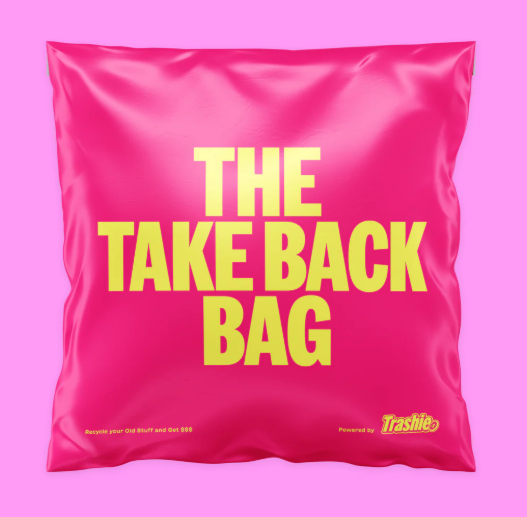
Give old clothes a new life using Trashie’s The Take Back Bag.[i] Clothes that are still in good condition will be donated or resold, while those that can’t be reused will be processed into new products, such as stuffing for dog bedding.
🌍 Environmental Warrior – Lifestyle changes with a bigger impact.
Reduce
- Challenge yourself to Buy Nothing! See if you can get what you need without buying it. The Buy Nothing Project[i] is a network of giving communities where people post what they’re looking to give for free in their area. This includes free household goods, services, and clothes! Join the community where you live and start giving and receiving.
- Take public transit. If you live in an area with public transit options, consider using them to get around instead of driving. You’ll save on gas and reduce your emissions.
- Bike commute to work. See some tips on the Bike Commuter’s web page[ii] to get started.
- Shop at a container-free store. Use the containers you save to get things you need without the container waste! Check out Litterless’s directory of zero-waste grocery stores[iii] across the US to find one near you.
Reuse
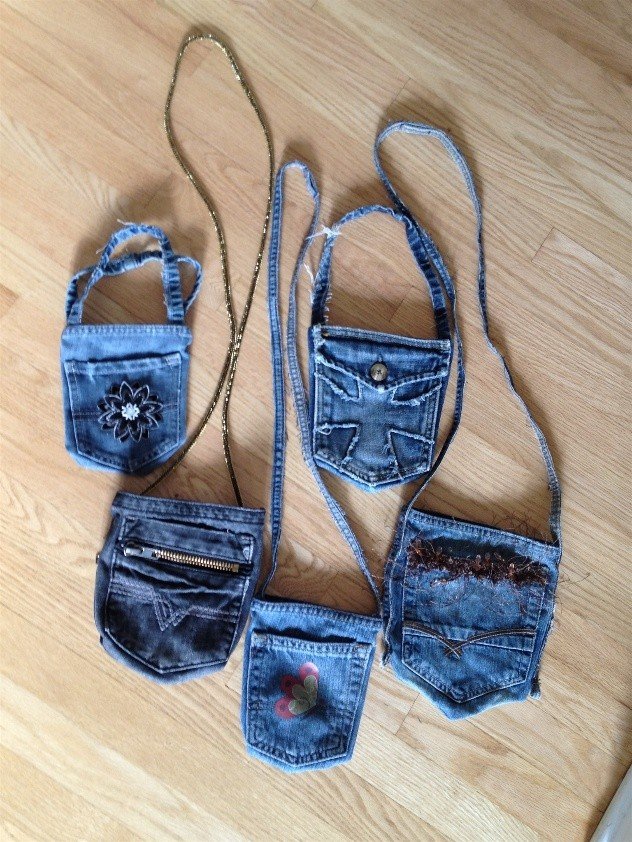
Turn trash into art for decorative purposes. Get creative! With an item that you can’t recycle, think outside the box. For example, old bike helmets can be reused as a garden flower pot; old jeans become new purses; use brown packing paper to wrap and/or paint the boxes for gifts. Broken bits of tile could go into a stepping stone or another ceramic item. When in doubt, search online to see how others have repurposed their items.
Recycle
- Make your food waste work for you as compost! That’s right, you can turn your household food waste into compost you can use in the garden or to feed your houseplants. Learn more about composting at home on the EPA’s website here.[i] If you live in a small space, such as an apartment or condo, many cities offer compost collection services, or you can drop off compostable matter at many local organic stores for free.
Environmental Justice Spotlight
Environmental issues affect everyone, but they do not affect us all equally.
Historically disadvantaged communities, including minority and impoverished communities, suffer greater environmental harm from air pollution,[i] water pollution,[ii] and contamination from trash and landfills[iii] than wealthy areas. Environmental determinants of health have long been recognized by organizations such as the American Public Health Association[iv] as key factors influencing individuals’ long-term health risks and likelihood for a healthy, successful life.
When it comes to reduce, reuse, recycle and environmental justice, not everyone is in a position financially to reduce the amount they consume. Those supporting families often do not have time to think about how they can more sustainably consume when they are working to put food on the table and keep everyone healthy and happy.
We acknowledge that some sustainable swaps, such as investing in more expensive slow fashion items of clothing that will last longer or buying an electric vehicle, are more expensive and won’t work for everyone. However, other changes, such as composting, using a zero-waste recipe generator, and cooking more plant-based meals, can save money in the long run. Utilizing groups like the Buy Nothing Project or buying things second-hand is a great way to be sustainable while also saving money, and can work for people at all income levels.
Whatever your personal situation, we encourage you to consider the swaps that work for you, and to start where you are. Sustainability is a journey, and every step along the path makes a difference.
Stay tuned for other environmental justice updates on Wading In’s website.
Wading In Board Chair Jennifer Fleck recently attended a conference on environmental justice in Detroit, MI. The conference was run by the Michigan Department of Environment, Great Lakes and Energy and this year’s theme was “Driving Environmental Justice Forward: Action, Equity and Impact.”
This one-day conference brought together individuals and groups from across Michigan to learn together, share issues, and help create conversations and connections. Questions explored included: What actions and advocacy lead to change for communities? How can we facilitate greater positive impacts in underserved, vulnerable communities? How can we ensure equitable opportunities for those who live in communities with environmental justice concerns?
There are no easy answers to any of the questions. We need to be aware of issues and be willing work together across generations and zip codes. If you are interested in learning, check out a video on “Toxic Town: Michigan’s Most Polluted Zip Code” https://www.youtube.com/watch?v=CyGLEtvjlR8
| Individuals have power and can make a difference to positively change the world. Every day presents new opportunities to learn and grow. Not everything is within our control – but we can control our own actions and can inspire others to make positive change. Until next time,  |
References
[1] Astuti, P. K., Ayoob, A., Strausz, P., Vakayil, B., Kumar, S. H., & Kusza, S. (2024). Climate change and dairy farming sustainability; a causal loop paradox and its mitigation scenario. Heliyon, 10(3), e25200. https://doi.org/10.1016/j.heliyon.2024.e25200.
[1] U.S. Department of Agriculture. (2022, January 24). Food waste and its links to greenhouse gases and climate change. https://www.usda.gov/about-usda/news/blog/food-waste-and-its-links-greenhouse-gases-and-climate-change.
[1] Mao, X., Meng, Z., Comer, B., & Decker, T. (2025). Greenhouse gas emissions and air pollution from global shipping, 2016–2023. The International Council on Clean Transportation. https://theicct.org/wp-content/uploads/2025/04/ID-332-%E2%80%93-Global-shipping_report_final.pdf.
[1] United Nations Environment Programme. (2022, November 24). The environmental costs of fast fashion. https://www.unep.org/news-and-stories/story/environmental-costs-fast-fashion.
[1] Plummer, D. (2025, May 31). From closet To bloodstream: The silent microplastics crisis in fashion. Forbes. https://www.forbes.com/sites/dianneplummer/2025/05/31/from-closet-to-bloodstream-the-silent-microplastics-crisis-in-fashion/.
[1] Shahid, S. (2024, December 15). Packaging waste: An overview of this global problem. Unsustainable Magazine. https://www.unsustainablemagazine.com/packaging-waste-a-global-problem/.
[1] Environmental Protection Agency. (2024, November 21). Plastics: Material-specific data. https://www.epa.gov/facts-and-figures-about-materials-waste-and-recycling/plastics-material-specific-data.
[1] Dell, J. (2020, April 7). No ‘away’: Why is the U.S. still offshoring plastic waste around the world? Plastic Pollution Coalition. https://www.plasticpollutioncoalition.org/blog/2020/4/7/why-is-the-us-still-offshoring-post-consumer-plastic-waste-around-the-world.
[1] Environmental Protection Agency. (2025, September 11). National overview: Facts and figures on materials, wastes and recycling. https://www.epa.gov/facts-and-figures-about-materials-waste-and-recycling/national-overview-facts-and-figures-materials.
[1] Environmental Protection Agency. (2025, May 20). How do I recycle common recyclables. https://www.epa.gov/recycle/how-do-i-recycle-common-recyclables.
[1] Supercook. (n.d.). Zero waste recipe generator. https://www.supercook.com/#/desktop.
[1] The Monday Campaigns. (n.d.). Meatless Mondays. https://www.mondaycampaigns.org/meatless-monday.
[1] The Honest Consumer. (2022, November 1). The 25 best slow fashion brands for small batch & ethical style. https://www.thehonestconsumer.com/blog/slow-fashion-brands.
[1] Neagu, P. (2022, May 9). Patching sewing like a pro – an easy guide for beginners. The Seaman Mom. https://theseamanmom.com/patching-sewing-guide/.
[1] Environmental Protection Agency. (2025, May 20). How do I recycle common recyclables. https://www.epa.gov/recycle/how-do-i-recycle-common-recyclables.
[1] Trashie. (n.d.). Home page. https://www.trashie.io/.
[1] Buy Nothing Project. (n.d.). Home page. https://buynothingproject.org/.
[1] The Bike Commuter. (n.d.). Bike commuting for beginners: 21 tips to get your started. https://thebikecommuter.com/bike-commuting-for-beginners/.
[1] Litterless. (n.d.). Zero waste grocery guide. https://www.litterless.com/wheretoshop/.
[1] Environmental Protection Agency. (2025, August 20). Composting at home. https://www.epa.gov/recycle/composting-home.
[1] Hajat, A., Hsia, C., & O’Neill, M. S. (2015). Socioeconomic Disparities and Air Pollution Exposure: a Global Review. Current environmental health reports, 2(4), 440–450. https://doi.org/10.1007/s40572-015-0069-5.
[1] VanDerslice J. (2011). Drinking water infrastructure and environmental disparities: evidence and methodological considerations. American journal of public health, 101 Suppl 1(Suppl 1), S109–S114. https://doi.org/10.2105/AJPH.2011.300189.
[1] Sherburne, M. (2016, January 19). Targeting minority, low-income neighborhoods for hazardous waste sites. University of Michigan. https://news.umich.edu/targeting-minority-low-income-neighborhoods-for-hazardous-waste-sites/. [1] American Public Health Association. (2019, November 4). Addressing environmental justice to achieve equity. https://www.apha.org/policy-and-advocacy/public-health-policy-briefs/policy-database/2020/01/14/addressing-environmental-justice-to-achieve-health-equity