By Jennifer Fleck, Board Chair
PDF of: March 2026: Enjoying Spring! Ideas and Resources for Greening Outdoor Spaces; WADING IN FOR SUSTAINABILITY Newsletter #6
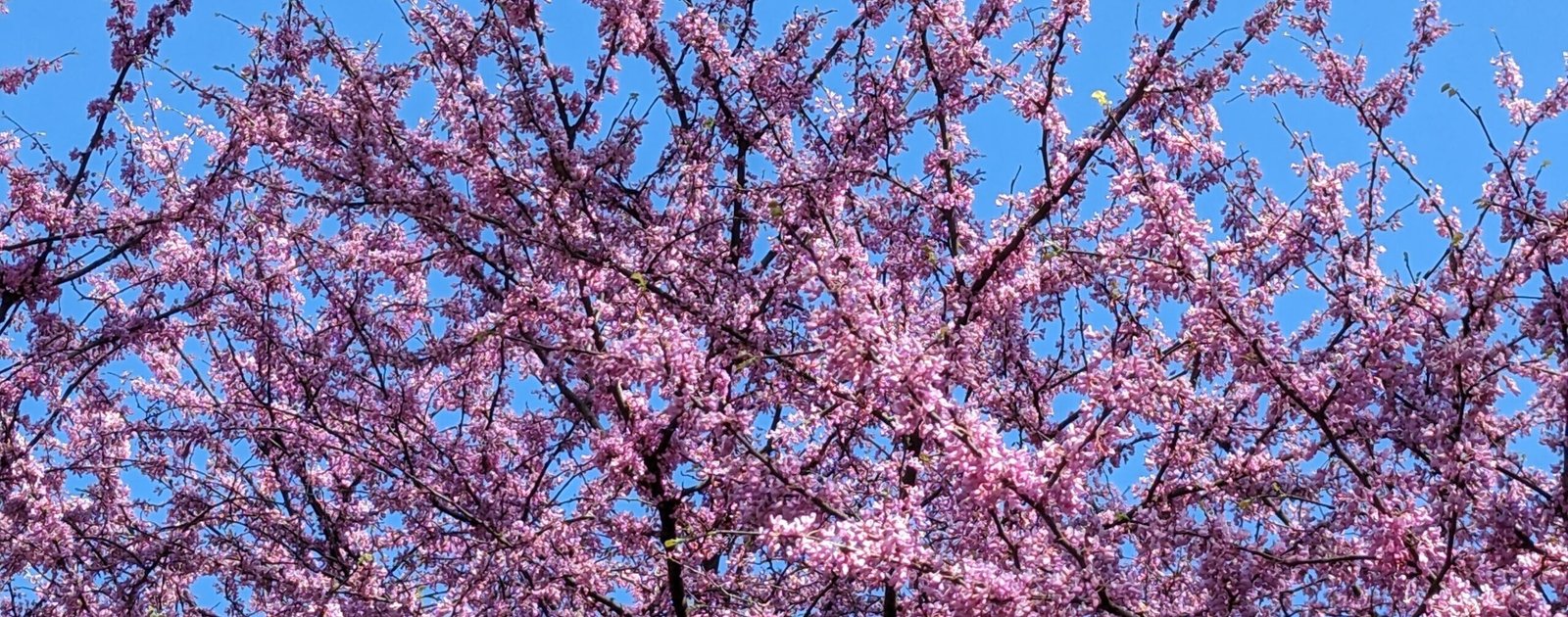
The clock jumps forward, the weather changes, the trees start getting a bit fuzzy, and you can just feel spring in the air. This is a great time to start thinking about the positive impact you can have on your environment and that it can have on you. Whether it is your own personal outdoor space, a friend’s garden, or a community garden, take this opportunity to start figuring out how and where you want to be involved.
Gardening and taking care of your outdoor spaces isn’t just about growing food or flowers. What we choose to put outside of our homes and apartments is critically important for pollinator species who need food early in the season. Gardening has the added benefits of improving our mental health, improving our food security in times of uncertainty, and strengthening our connection with nature.
Whether you have acres of land or just a windowsill, there are many creative, nature-friendly ways to green your outdoor spaces. Read on to learn more about what you can do with the space you have!
Gardening in the Spring!
Don’t Clean-Up Too Soon!
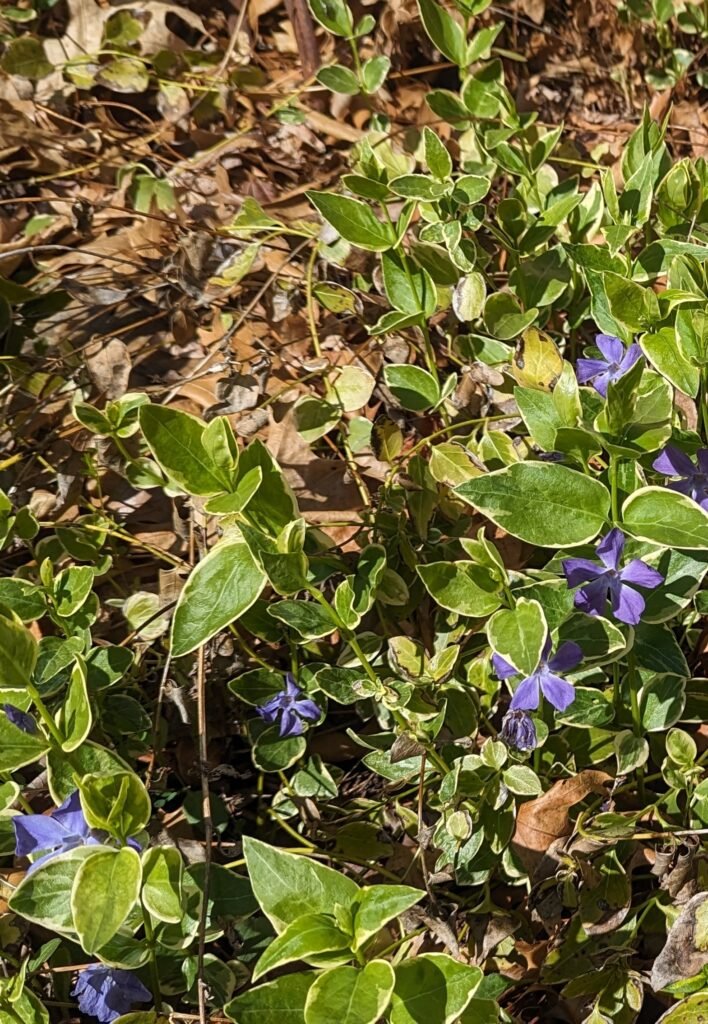
Yard Clean-up: Old plant stems & dead leaves can wait a bit
When to clean your flower beds depends on your growing zone. To be pollinator friendly, it is important to wait until daily lows are 50+°F for at least 7-nights. At that point, it is safe to remove weeds, dead leaves, etc. This gives time for insects we need, like bees and butterflies, to emerge from their winter homes in your garden’s dead plant material.
Helpful Resources:
- 2023 USDA Plant Hardiness Zone Map | USDA Plant Hardiness Zone Map
- Article: Stop! Before you Clean Up, Check for These Signs of Life
Idea: If you are ready to spend more time outside but it is still too early to clean out the gardens… Enjoy walks where you pick up some trash that accumulated over the winter AND notice the changes blooming all around.
Planning a Garden
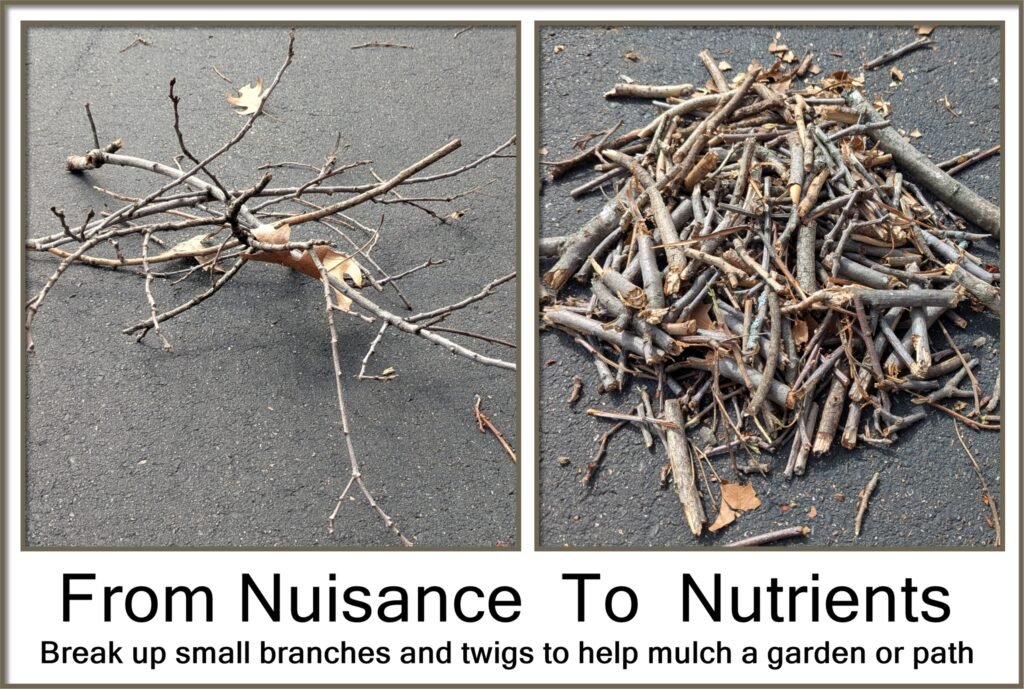
Many factors impact the success of outdoor plants such as sunlight, soil type & pH, summer temperatures, water, etc. A little prep-time up front can save you a lot of effort in the growing season. Knowing your (hardiness) zone is a big first step. Hardiness zones are based on a 30-year average of the yearly extreme temperatures. This helps guide you in choosing which plants are more likely to grow successfully as annuals (living for one season) or perennials (come back each year).
Native Plants
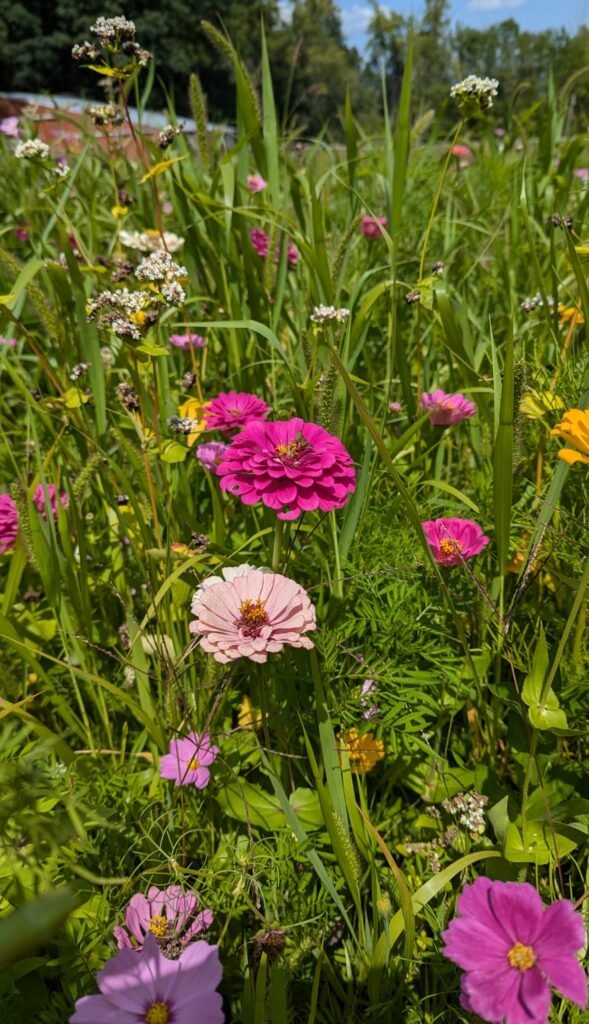
Nature is all connected. A plant that is naturally found in a given area (not introduced by humans) is a native plant. Native plants have adapted to the conditions in their area through millennia and are better equipped to fit the climate and type of soil. This makes them more likely to thrive with less effort from the gardener. Insects that have evolved along with native plants are more likely to thrive as well.
These insects, including local pollinators (birds, bees, moths, butterflies, etc.), are essential in growing our food. Native plants attract and provide important food for the native pollinators which in turn helps our agriculture industry.
Making a concerted effort to include native plants that provide a home for pollinators in your garden is going to help your garden grow with less effort, help our planet, and be fun to watch.
Helpful Resources:
- Comprehensive regional planning guide: Ecoregional Planting Guides | Pollinator.org
- Article: Create a Buzzworthy Backyard | The Nature Conservancy
- Article: Plant a Pollinator Garden: Plant Your Own Pollinator Paradise | TNC in Wisconsin
- Article: What is a Native Plant and Why Native (from the National Wildlife Federation)
Invasive Plants
At first glance they might seem pretty, but they can pose serious threats to nature.
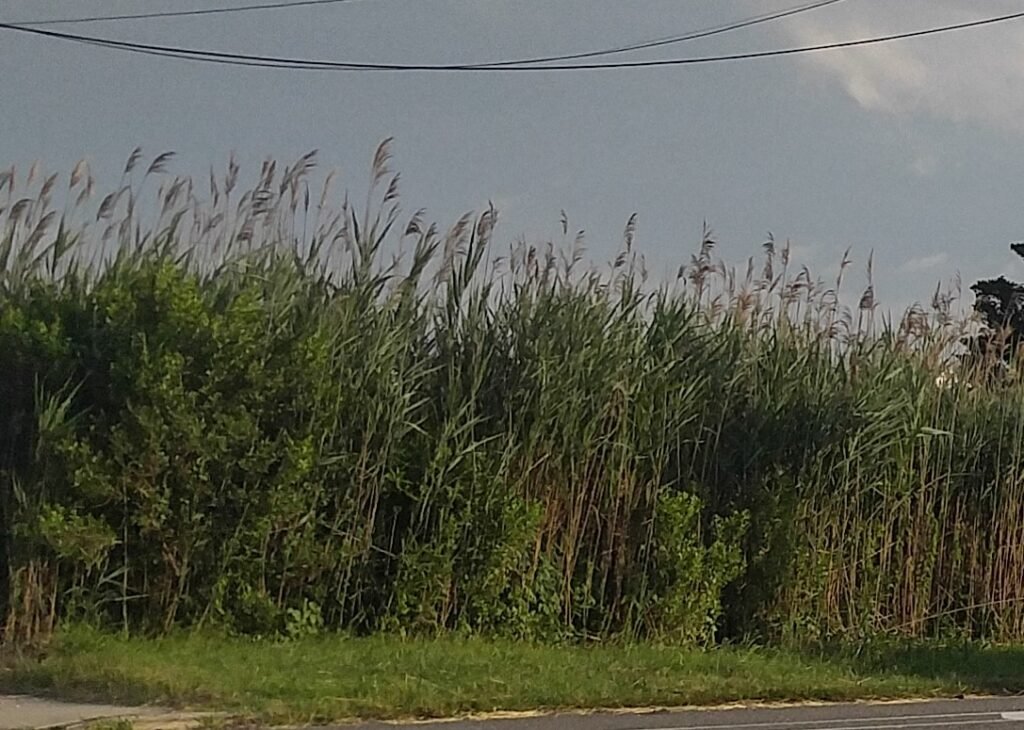
An “invasive species” is defined as a species that is:
- Non-native (or alien) to the ecosystem under consideration; and,
- Whose introduction causes or is likely to cause economic or environmental harm or harm to human health. (Source)
Learn more about invasive plants so they will not choke out native species.
- Invasive Plant List – MIPN (MidWest region)
- https://northoakland.wildones.org/invasive-plants/
- Find a local Wild Ones chapter at: https://wildones.org/
Indoor Plants
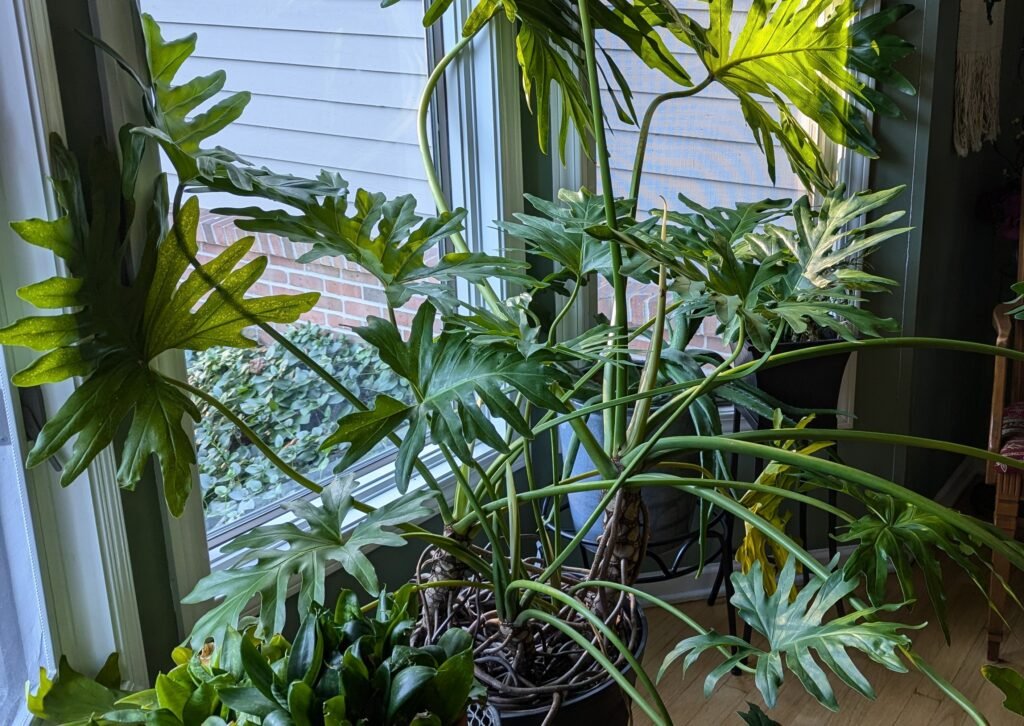
Houseplants look great and can be an affordable way to decorate. Having indoor plants is a way to connect with nature by bringing it inside.
There are many studies showing that plants are good for your physical and mental health. Plants add moisture to otherwise dry rooms, help purify the air (by absorbing pollutants like carbon monoxide, formaldehyde, ammonia, and pollen), and release oxygen we need to breathe.
There are numerous HOW TO sources when it comes to being successful with indoor plants. Check out the following articles to get started on your journey:
- Article: Houseplants for Health and Wellbeing | RHS Advice
- Article: 10 Awesome Benefits of Indoor Plants | Just Houseplants
- Article: 7 Science-Backed Benefits of Indoor Plants cites multiple studies relating to health and air quality related to indoor plants.
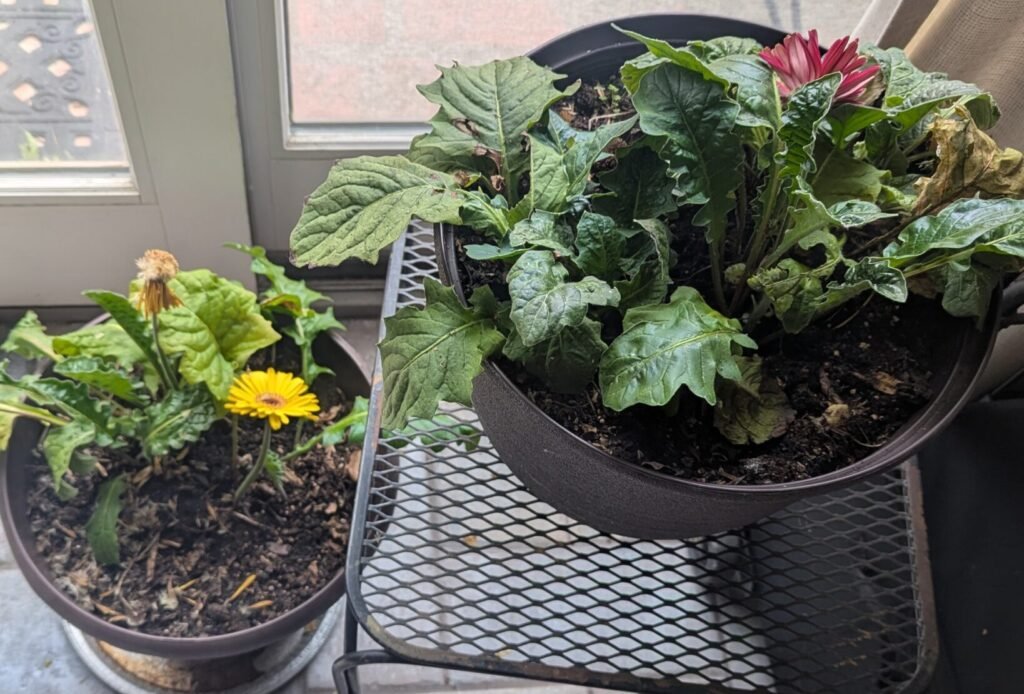
Personal Note: Last fall, we brought a few outdoor plants inside for the winter, and I can attest to the great joy they brought every time I saw a new flower and/or growth!
Composting 101
COMPOST = A mixture that consists largely of decayed organic matter and is used for fertilizing and conditioning land. (Source) Composting is nature’s process of recycling. When you add organic material (such as food scraps and yard waste) to a pile or bin, microbes start to break it down. In time, with the balance of ingredients and a little effort, you end up with a dark, nutrient rich substance that you can put back into the garden or yard to help plants grow.
Why is it worth some effort?
- Composting reduces waste going into landfills.
- The process creates nutrients you can put back into the soil.
- You save money by creating your own fertilizer.
- You help reduce greenhouse gas emissions by keeping organic waste out of landfills!
What is the best method? The one that you are able to do…
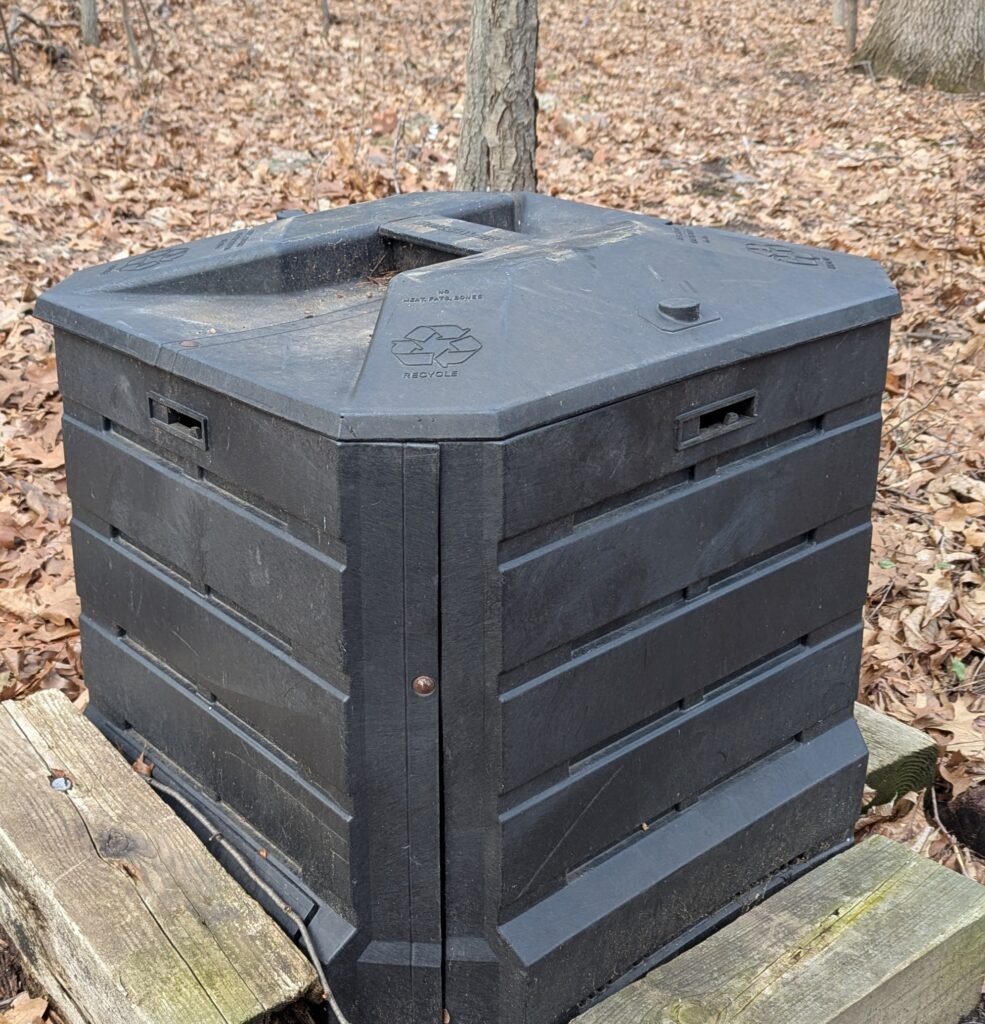
- Outside/Backyard – methods include a pile, bin or tumbler – easy and low cost. The bins are subtle. As long as you do NOT include animal waste, the bin does not create an odor or attract unwanted animals.
- Inside –
- Electric compost machines (there are pros & cons; machines create a product that still needs to undergo changes before fully useful in a garden, learn more – source)
- Vermicomposting (worm composting) creates compost using food scraps and worms (a proper container, worm bedding and a few instructions are key).
- Commercial Composting – Find out what is in your area. This could include at home pick-up or taking your food waste to a facility.
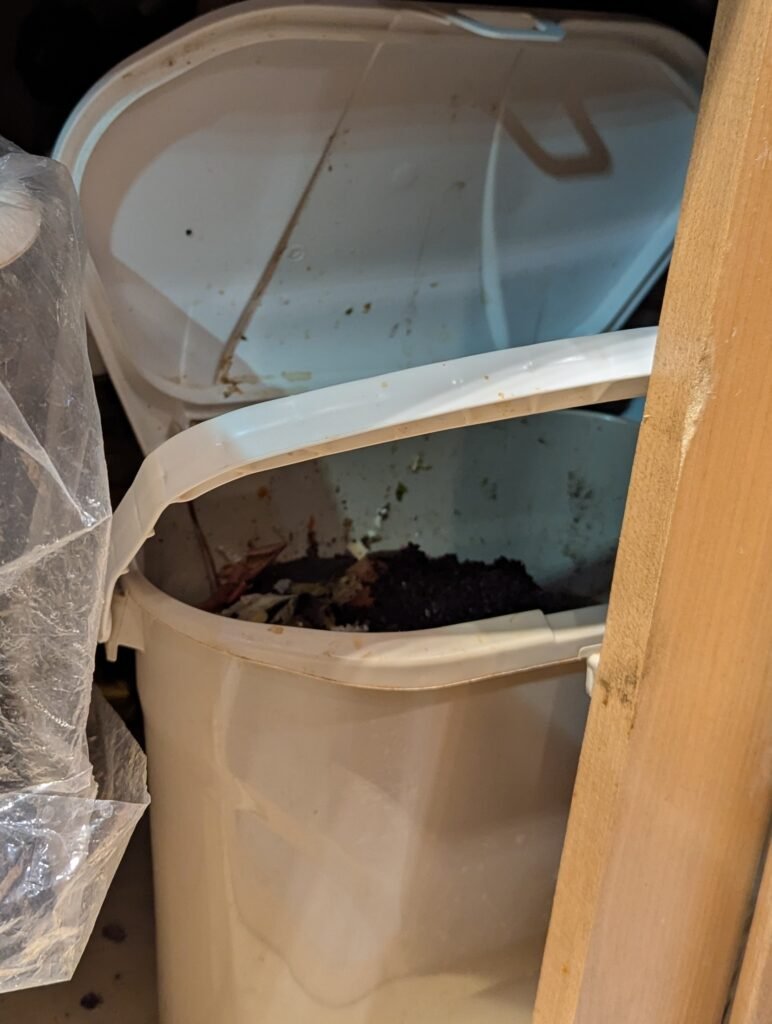
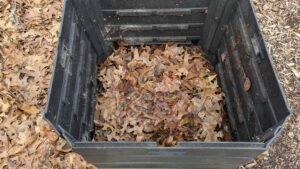
There are many books articles and resources available to learn more and find what will work best for you – find a good summary at: Composting At Home | US EPA
Actions to Take in Your Life
Actions to Take in Your Life
At Wading In, we’re all about meeting you where you are and providing actionable solutions that fit into your life. Check out our recommendations below related to amplifying your individual actions, choose the ones that work for you, and start today!
🌱Earth Friend Easy adjustments that require minor changes.
- Bring a small trash bag on a walk. Items dropped and blown around in winter are now revealed at the side of roads. Be a friend and help clean-up.
- Break up small branches and twigs to help mulch a garden or path.
- Research and learn to identify invasive plants in your area.
- Recycle old pots – find a local nursery who can reuse them before just putting in the recycle bin.
🌿 Green Defender More intensive swaps and adjustments that require greater effort.
- Join/volunteer for an outdoor clean-up project with a local group (i.e. safely picking up trash along the highway) OR help a friend or neighbor in need of assistance.
- Adopt an indoor plant – if needed, use an app to help remind you when to water it!
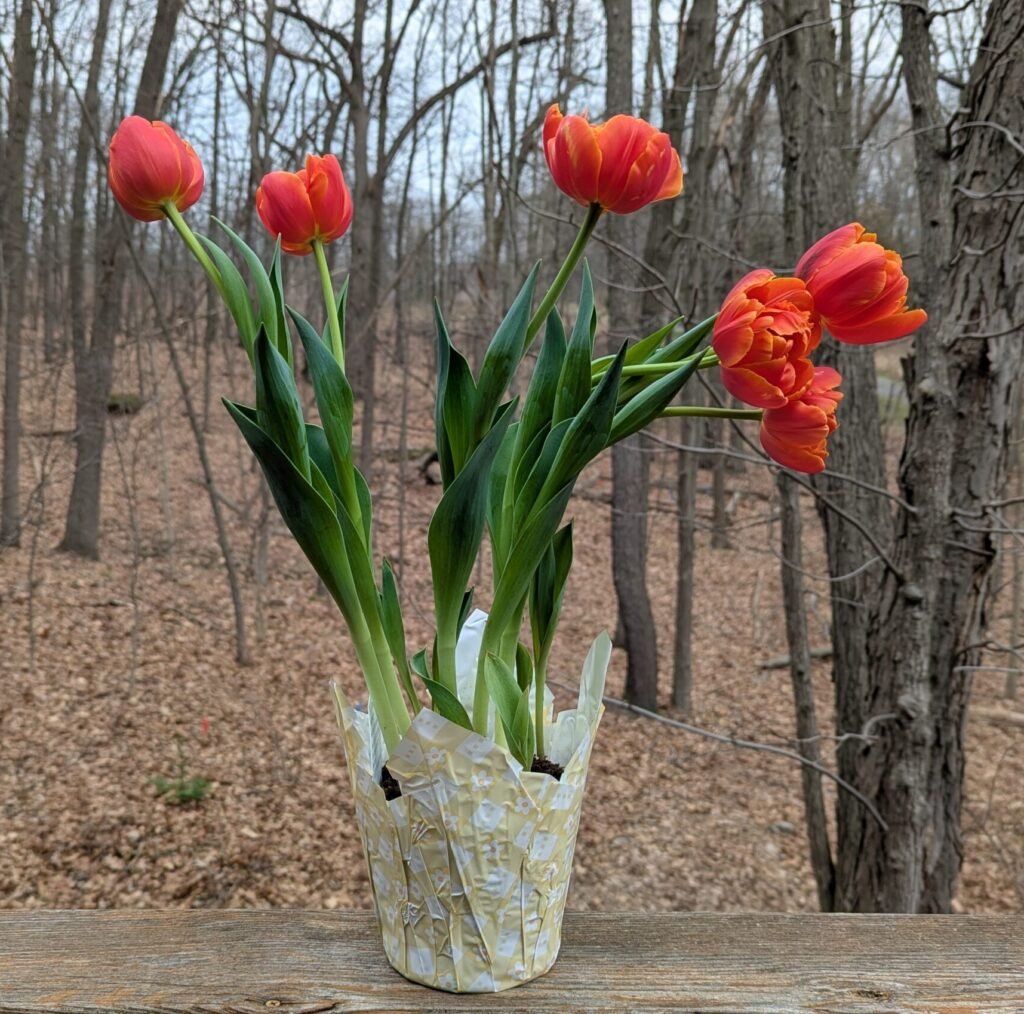
● When you need a gift this spring, shop for a flowering plant rather than cut flowers.
🌍 Environmental Warrior Lifestyle changes with a bigger impact.
- Start your own at home composting system or commit to a local commercial compost program.
- Organize an outdoor clean-up project.
- Plan and prepare for a native plant garden – flowers and/or vegetables.
- Consider joining us at Wading In For Sustainability as a donor, board member or content contributor!
Individuals have power and can make a difference to positively change the world. Every day presents new opportunities to learn and grow. Not everything is within our control – but we can control our own actions and can inspire others to make positive change.
Wishing you a wonderful 2026!
Until next time,

Small Steps for Positive Change
Resources:
- https://planthardiness.ars.usda.gov/
- ww.gardeningknowhow.com/garden-how-to/beneficial/garden-cleanup-signs-of-life
- https://www.pollinator.org/guides
- https://www.nature.org/en-us/about-us/where-we-work/priority-landscapes/great-lakes/stories-in-the-great-lakes/buzzworthy-backyards/
- https://www.nature.org/en-us/about-us/where-we-work/priority-landscapes/great-lakes/stories-in-the-great-lakes/plant-a-pollinator-paradise/
- https://www.nwf.org/Native-Plant-Habitats/Plant-Native/Why-Native
- https://www.fs.usda.gov/wildflowers/invasives/index.shtml
- https://mipn.org/invasive-plant-list/
- https://www.tandfonline.com/doi/full/10.1080/15287394.2012.721169
- https://www.rhs.org.uk/plants/types/houseplants/for-human-health
- https://justhouseplants.com/benefits-of-indoor-plants/
- https://www.healthline.com/health/healthy-home-guide/benefits-of-indoor-plants#7-benefits
- https://www.merriam-webster.com/dictionary/compost
- https://www.gardeningknowhow.com/composting/electric-composter-guide
- https://www.epa.gov/recycle/composting-home